Air conditioning repair for Celina, TX homes, from refrigerant leaks to airflow problems caused by builder-grade equipment and new-construction sizing issues.
We don't just work on HVAC systems in general. We know Celina specifically.
Blackland Prairie clay soil and how it stresses condenser pads and line sets
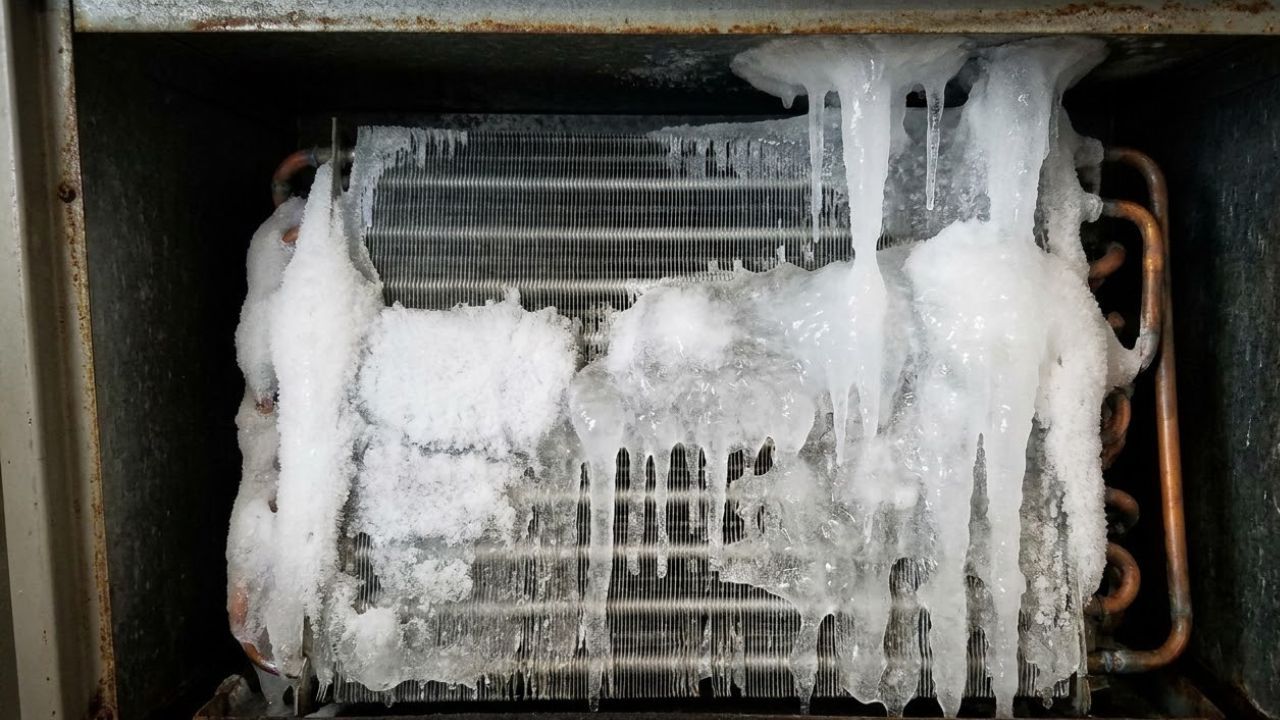
Celina's climate: 95–100°F summers and occasional hard winter freezes
All 12 Celina neighborhoods, from Light Farms to Downtown Celina
Built for one of the fastest-growing cities in the country (24.6% annual growth, Census Vintage 2025)
A few patterns are worth paying attention to before they turn into a complete breakdown.
The system runs constantly during peak afternoon heat but never quite reaches the thermostat setting
Airflow feels weaker than it used to at one or more vents
You notice a new rattling, buzzing, or grinding noise from the outdoor unit
Indoor humidity feels higher than normal even when the air is running
Higher-than-expected summer electric bills without a clear explanation
The system short-cycles, turning on and off in short bursts rather than running a full cooling cycle
Any one of these on its own might be minor. Several together, especially in a home that's hitting that five-to-eight-year mark, are worth having looked at before the hottest stretch of summer arrives.
From July through August, Celina regularly sees highs of 95 to 100°F, and that kind of sustained heat doesn't just make a home uncomfortable when the air conditioner struggles. It puts real, cumulative load on the equipment itself. An AC system that's slightly undersized, slightly low on refrigerant, or working around a duct restriction can often coast through a mild spring. It usually can't coast through six or eight straight weeks of triple-digit afternoons. That's when small, tolerable inefficiencies turn into no-cool calls.
What makes Celina a little different from a lot of Texas markets is how much of the housing stock is new. The city grew from roughly 6,000 residents in 2010 to more than 27,000 today, which means most homes here were built during one of the fastest growth stretches in the region. New construction has real advantages: newer equipment, current code compliance, tighter building envelopes. But it also means a lot of AC systems were installed by a production builder working from a standard spec, not sized around your specific lot's orientation, tree coverage, or sun exposure. A system sized for "the model home" doesn't always match a home that faces west with no shade, or one with a bonus room over the garage that bakes all afternoon. Air conditioning repair calls in newer subdivisions often trace back to that mismatch as much as to any single failed part.
None of this is a knock on production-builder HVAC installs. It's simply a pattern: equipment chosen for cost and code compliance across an entire subdivision, rather than custom-designed for each home's actual heat load, tends to show its limits sooner. Add Celina's climate on top of that, and cooling system repair becomes less a question of if and more a question of when.
Subdivisions like Light Farms and Mustang Lakes were among the earlier waves of Celina's modern growth, and a meaningful number of homes in both neighborhoods are now old enough that their original builder-installed AC systems are landing in the five-to-eight-year range. That window is a realistic point for a system's first major repair, not because the equipment is failing outright, but because this is roughly when capacitors, contactors, and other wear components installed at the factory or during original setup start reaching the end of their expected service life, especially after several summers of heavy runtime.
If your home is in Light Farms, Mustang Lakes, or a similarly aged Celina subdivision and your AC hasn't needed any attention yet, that's not unusual, but it's also worth being proactive rather than waiting for a mid-August breakdown. A system at this age that starts short-cycling, running longer than it used to, or blowing air that's not quite as cold as you remember is telling you something before it actually quits.
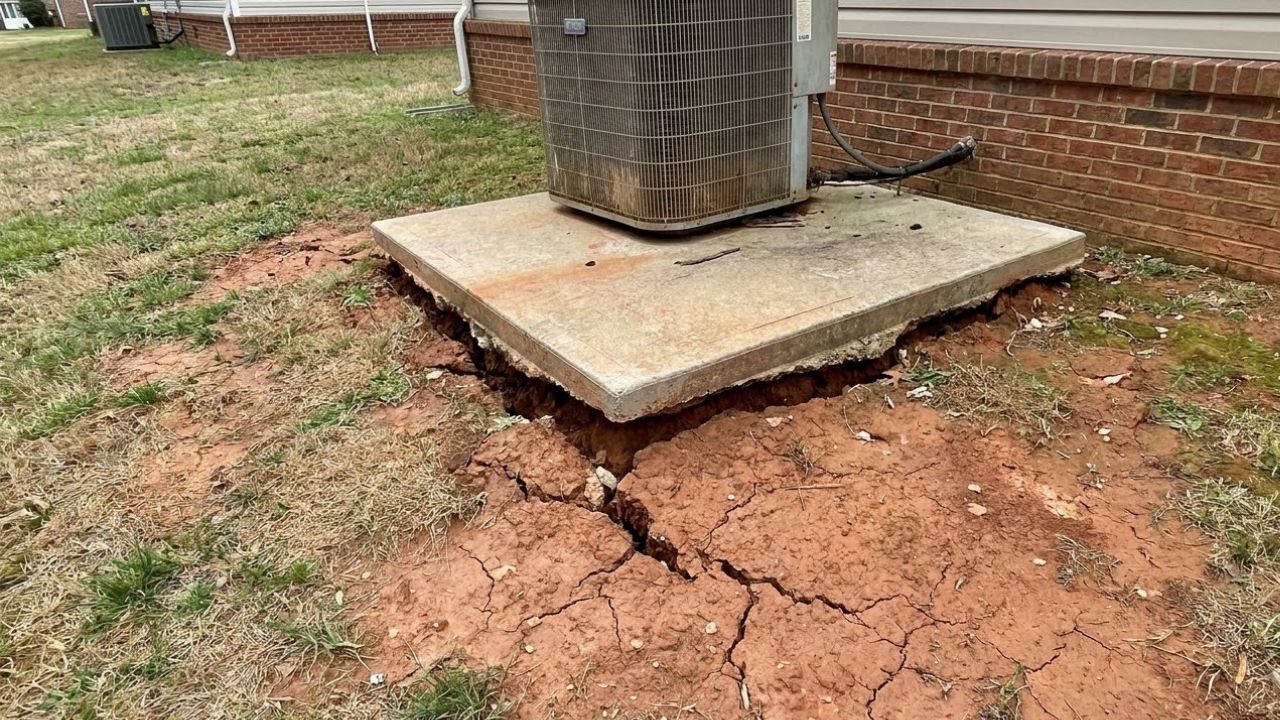
Celina sits on Blackland Prairie clay, a soil type that expands when it's wet and contracts as it dries out. That seasonal movement doesn't just affect foundations. It affects the ground underneath and around outdoor AC units too. Over several years, that shifting can tilt or unlevel a condenser pad and put steady mechanical stress on the refrigerant line set running from the outdoor unit into the house. The result is often one of two things: a vibration or rattling noise as the unit sits slightly off-level, or a slow refrigerant leak where a line connection has been stressed over time. Both are common enough in this region that we treat "check the pad and line set condition" as a standard part of diagnosing performance complaints, not an afterthought.
In newer construction, airflow issues usually aren't caused by anything dramatic. More often they're caused by ductwork and equipment sized to a standard plan rather than to your home's specific layout and sun exposure. A room that runs warmer than the rest of the house, an air conditioner that runs constantly without quite catching up, or noticeably weak airflow at certain vents are all common symptoms. Sometimes the fix is a repair to a restricted duct run or a damper adjustment; sometimes it's confirming whether the system was ever properly balanced after installation in the first place.
Capacitors, contactors, and fan motors all take more wear from long, continuous run cycles than from short ones, and Celina's July and August heat produces exactly that kind of extended runtime, day after day. This is one of the most common categories of AC repair we see: a capacitor that's weakened enough to cause hard starts, a compressor that hums but doesn't kick on, a contactor with pitted contacts causing intermittent operation, or a fan motor that's starting to strain. These are also some of the more straightforward repairs, but they're also the ones most likely to escalate into a full system failure if they go unaddressed through a full summer.
In Texas, air conditioning repair and installation work is regulated by the Texas Department of Licensing and Regulation (TDLR), which issues the Air Conditioning and Refrigeration Contractor (ACR) license required to legally perform HVAC work in the state. That licensing requirement exists for a reason: it sets a baseline for training and accountability on work involving refrigerant handling, electrical connections, and gas lines in the case of combined heating and cooling systems. When you're choosing who works on your air conditioner, confirming that a company holds a current TDLR ACR license is one of the simplest ways to verify you're working with a legitimate, accountable contractor rather than an unlicensed handyman operation.
A proper AC repair visit starts with diagnosis, not guesswork.
Tell us what's happening, whether it's warm air, a strange noise, or a system that won't keep up.
We check refrigerant charge, electrical components, and the condenser pad and line set for the kind of stress common in Celina soil.
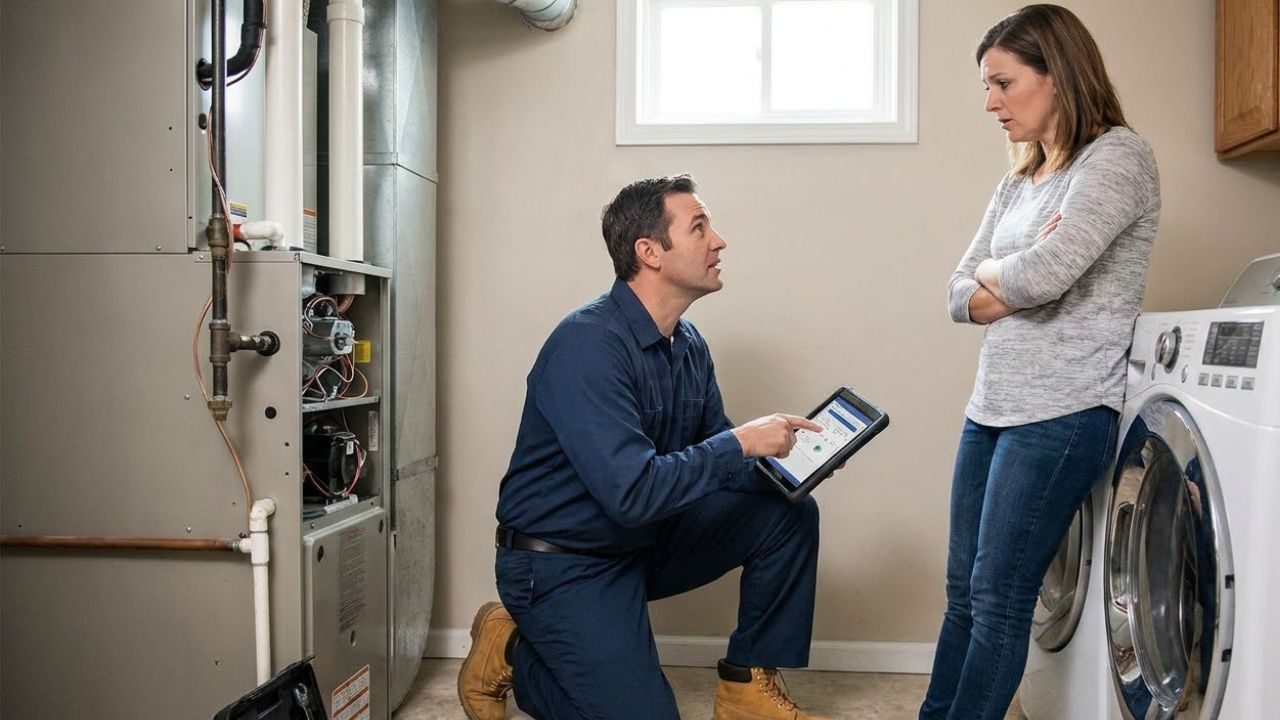
We explain what's actually wrong in plain terms, including whether it's a straightforward repair or something more.
We fix the issue and confirm the system is running the way it should before we leave.
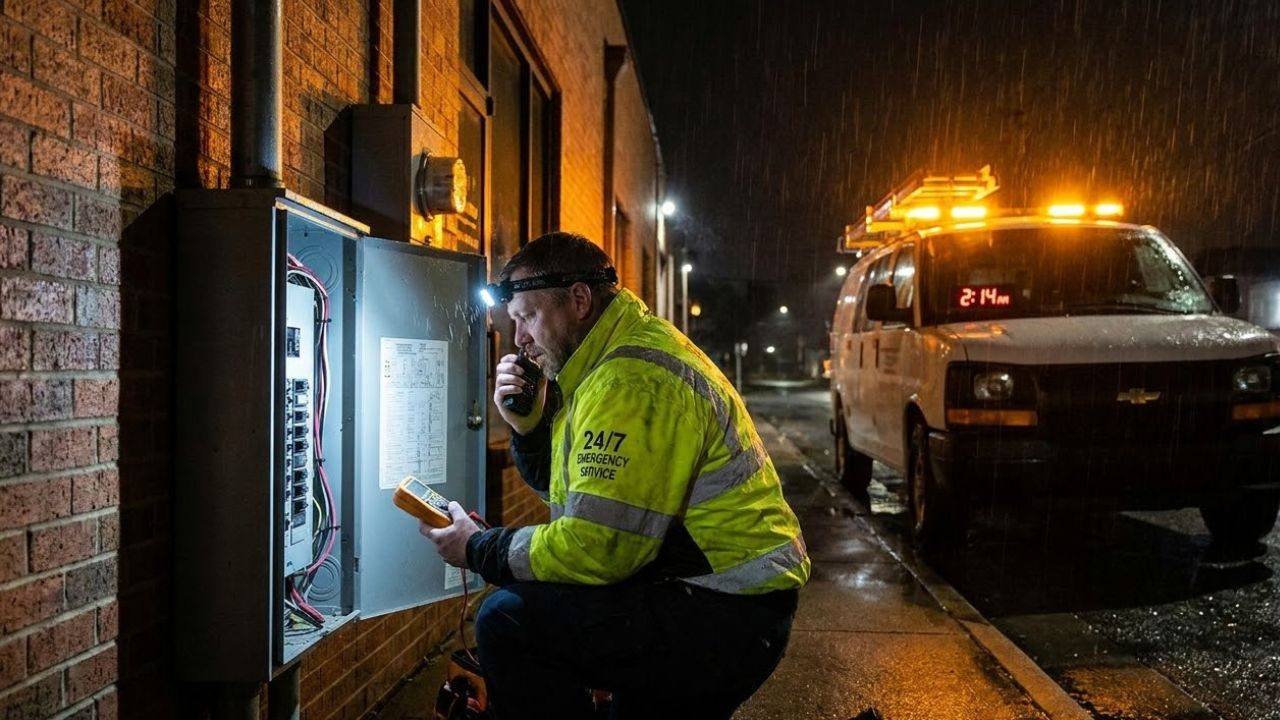
Need HVAC help? We're available 24/7.
Call Now: (323) 329-3203It usually comes down to the system's age and what's actually failing. A five-to-eight-year-old system with a single worn component, like a capacitor or contactor, is normally a straightforward repair. A much older system with a failing compressor or a heat-related issue that keeps recurring is a better candidate for replacement. We'll walk you through what we find and what it means before recommending either one.
Sustained heat exposes weaknesses that a mild spring never tests. A system that's slightly undersized, slightly low on refrigerant, or dealing with a duct restriction can keep up during cooler weather, but six or eight straight weeks of triple-digit afternoons push it past what it can handle.
A common local cause is the Blackland Prairie clay soil under most of Celina, which expands and contracts with moisture. Over time that movement can tilt or unlevel a condenser pad and put steady stress on the refrigerant line set running into the house, eventually leading to a leak at a stressed connection.
That's actually a common point for a first major repair, especially in established subdivisions like Light Farms and Mustang Lakes. It's usually not the whole system failing, just wear components like capacitors and contactors reaching the end of their expected service life after several summers of heavy runtime.
It's not usually an immediate safety issue, but it does add wear to components like the compressor and contactor every time the system cycles on and off more than it should. Left unaddressed, a short-cycling system is more likely to fail completely during the hottest part of summer, which is the worst time to be without cooling.
Yes. A lot of the AC repair work we do in Celina is on builder-installed equipment, particularly in newer subdivisions where the original system was sized to a standard spec rather than the specific home. We're familiar with the common failure points in that kind of installation.
Including Light Farms, Mustang Lakes, and the rest of Celina, TX 75009.
We prioritize getting a technician to your door quickly, especially during peak summer and winter demand.
You'll know the cost before any work begins, so there are no surprise charges on your invoice.
We concentrate on Celina and the surrounding North Texas communities, so we know the area and its homes.
From Light Farms to Downtown Celina, we understand how housing age, soil, and construction style change what your system actually needs.
We explain what's actually wrong and what it takes to fix it, before any work begins.
HVAC failures don't wait for business hours, and neither do we.
Load-calculated sizing for new construction and replacement systems.
Ignition, control board, and blower repair for Celina homes.
New-construction hookups and replacements sized for our short heating season.
Repair and installation sized for Celina's mild winters and long cooling season.
For additions, conversions, and rooms without practical ductwork access.
Finding and fixing air leaks from shifting soil and installation quality.
Configured for your system and your household's actual routine.
Addressing summer humidity, mold risk, and spring allergens.
Spring AC tune-ups and fall furnace checks built around Celina's seasons.
24/7 emergency AC and furnace repair when it genuinely can't wait.
Builder coordination and post-closing upgrades for Celina's growing subdivisions.